Searching "paragliding near me" will turn up the closest school or tandem operator, and that is the right place to start. This list is for the next step: the sites pilots travel for. One per continent, chosen for reliable conditions, scenery, and a flying community that makes a solo trip easy.
Europe: Annecy, France
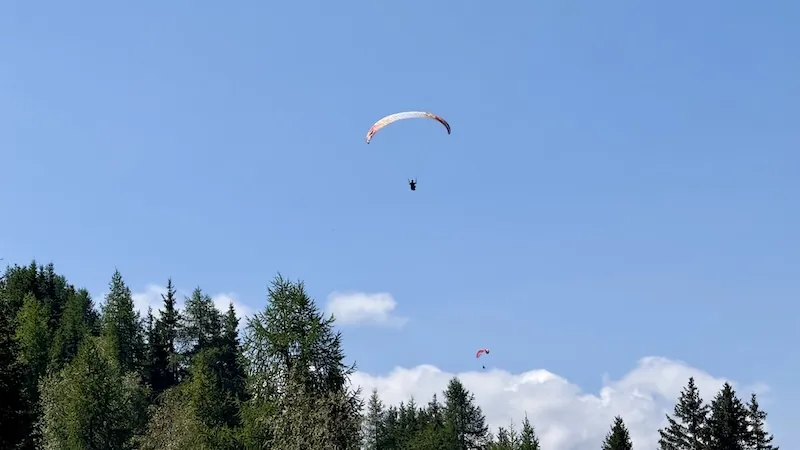
Annecy is the reference site in Europe. The launches at Col de la Forclaz and Planfait sit above Lake Annecy with the Alps behind them. The lake breeze and the mountains produce dependable thermals from spring to autumn, the landing field at Doussard is huge and flat, and there are dozens of schools and tandem operators. It hosts international competitions and is equally suited to a first tandem or a 100 km cross-country.
Season: May to September for the most reliable thermals; flyable for much of the year.
North America: Valle de Bravo, Mexico
The United States has well-known sites, Torrey Pines in California for coastal soaring and Point of the Mountain in Utah for training and evening flights, but the destination pilots fly to is Valle de Bravo, two hours west of Mexico City. The dry-season climate gives thermals almost every day from November to March, which is why so many northern pilots spend their winter here. The town, the lake and the launch at El Peñón make it a comfortable base.
Season: November to March.
South America: Rio de Janeiro, Brazil
The launch at Pedra Bonita, in the Tijuca forest above São Conrado, is one of the most photographed in the sport: a wooden ramp, the city and the ocean below, Christ the Redeemer on the ridge behind. Flights are mostly smooth coastal soaring rather than big thermic cross-country, and you land on São Conrado beach. Tandems are the main activity here.
Season: Year round; the coastal breeze is most consistent outside the rainy summer months.
Asia: Bir Billing, India
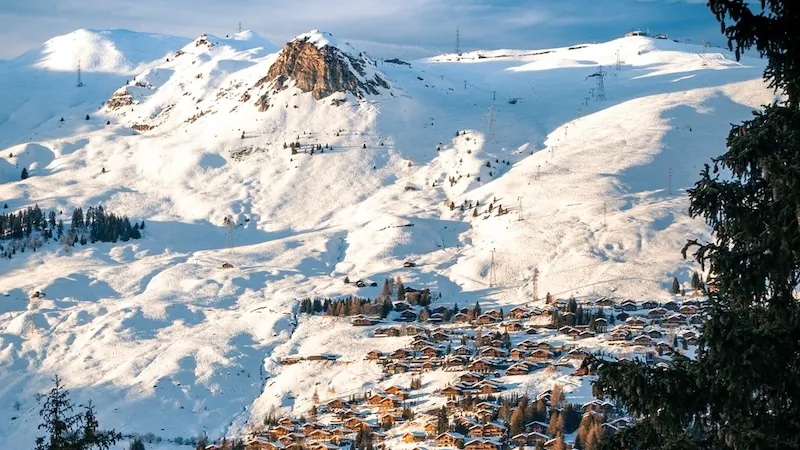
Billing is the launch, at around 2,400 m in the foothills of the Himalayas; Bir is the village and landing about 900 m below. The site has hosted the Paragliding World Cup and is known for long cross-country flights along the Dhauladhar range, with big-mountain scenery from the first turn.
Season: October to November, and March to May.
Africa: Hermanus, South Africa
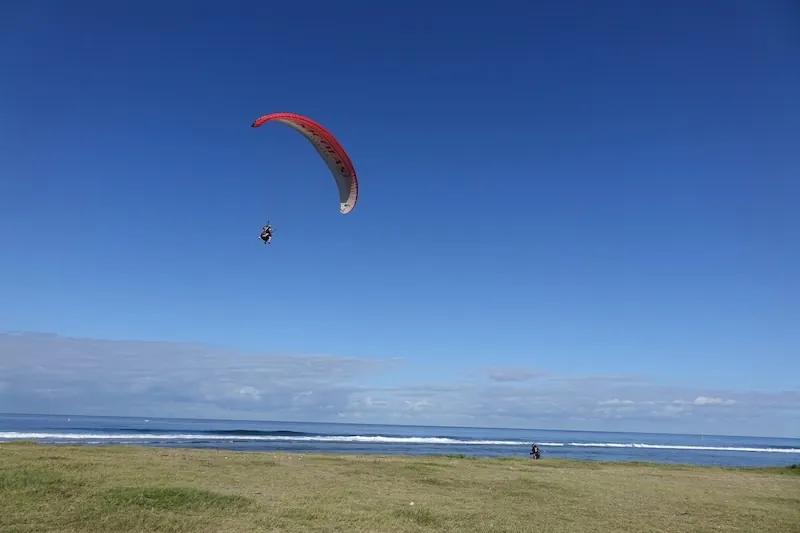
Hermanus, on the coast south-east of Cape Town, has launches on the mountains above town with the Atlantic beneath. The sea breeze gives smooth ridge soaring along the cliffs, and in the southern winter the bay fills with whales, which you can watch from the air. South Africa in general is an underrated flying country, with big-air sites inland and coastal sites like this one.
Season: Flyable year round; whale season runs from about June to November.
Australia: Manilla, New South Wales
Manilla is cross-country flying without the drama: a flat-topped hill called Mount Borah with launches facing every direction, wide farmland below, and thermals that are strong, regular and predictable through the Australian summer. It has hosted world championships and the site records run to hundreds of kilometres. If you want to learn XC rather than sightsee, this is the place.
Season: October to March.
Finding paragliding near you
For a first flight, the best site is the nearest one with a certified school. Your national federation (FFVL, DHV, USHPA, BHPA and their equivalents) lists schools and clubs by region, and the local club will know which hill suits a beginner. A tandem at a modest local site tells you more about whether you like the sport than a bucket-list trip.
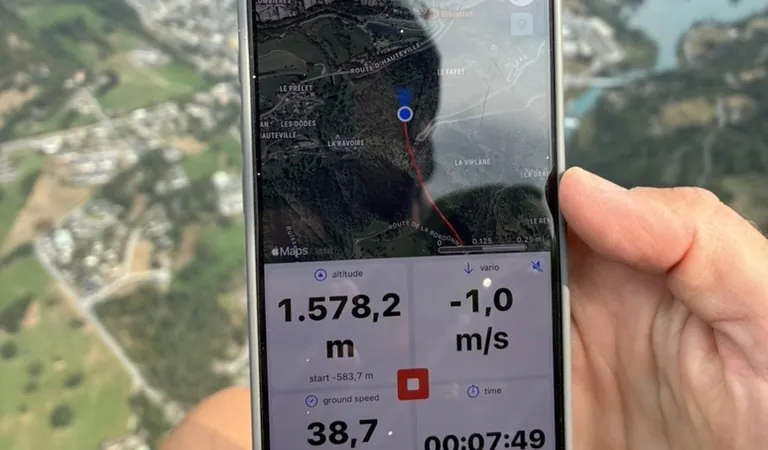
When you do travel: read the site rules, fly with a local pilot on the first day, and check the local airspace before you launch (see how airspace alerts work in Wingman). If you are still deciding whether the sport is for you, is paragliding safe is the honest version.